
Bringing home a rescue dog can make ordinary tasks feel surprisingly complicated. Your dog may not respond to their name, understand a leash, take treats outdoors, settle while you cook, or feel comfortable being touched. Even a dog with prior training may seem to forget familiar skills in a new environment.
Effective rescue dog training begins by lowering pressure. The immediate goal is not perfect obedience. It is to help your dog feel safe enough to learn, prevent unwanted behaviors from becoming habits, and teach a few useful skills through predictable, rewarding practice.
Progress may be uneven. A dog might learn quickly in the living room but struggle at the front door. They might appear relaxed for several days, then become more vocal or energetic as they grow comfortable. That does not necessarily mean training has failed. It often means you are seeing more of the dog’s needs and personality.
What humane rescue dog training looks like
Humane training uses rewards, thoughtful setup, and achievable steps. It avoids intimidation, pain, forced exposure, and punishment for behavior driven by fear or confusion.
Four ideas support the entire process:
- Reinforcement: Reward behavior you want to see again. Food is convenient, but access to sniffing, toys, praise, distance from something worrying, and permission to go outside can also be rewards.
- Management: Arrange the environment so your dog is less likely to practice unsafe or unwanted behavior. Baby gates, closed doors, covered windows, leashes, and secure food storage all count as management.
- Consent: Notice whether your dog is choosing to participate. Pause during handling, grooming, or harness practice and give them room to move away when practical.
- Gradual learning: Teach one small piece at a time, first in a quiet setting and then around carefully increased distractions.
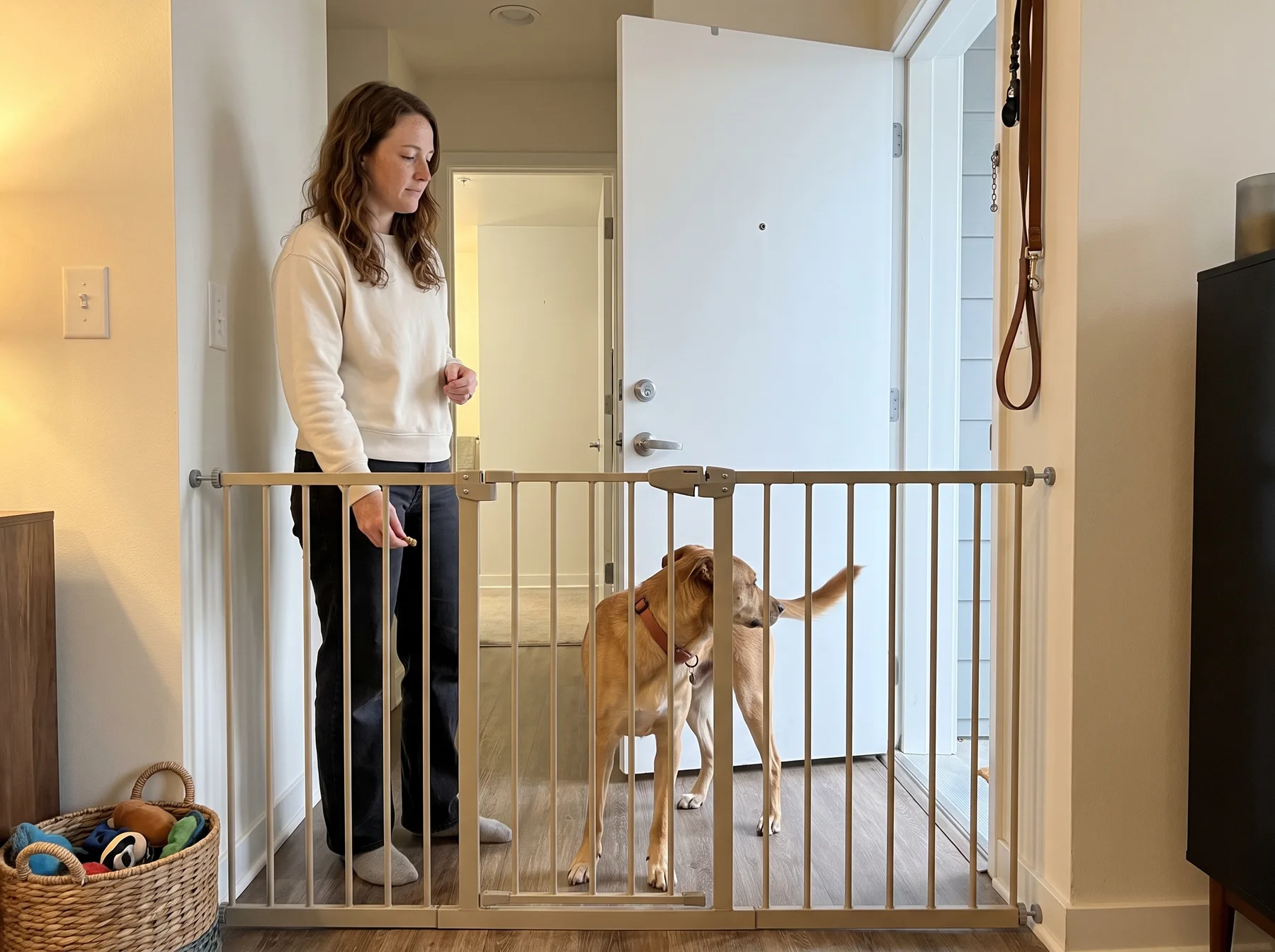
Management is not cheating. A gate that keeps a dog away from the front door prevents bolting while you teach a reliable stationing behavior. Frosted window film may reduce hours of barking while you work on calmer responses to outdoor movement. Training and management are most useful when they work together.
Start with health, safety, and household needs
Training advice changes according to the dog in front of you. Before making a plan, consider age, health, mobility, history, environment, and the people or animals sharing the home.
Arrange a veterinary check
Pain, digestive problems, itching, dental discomfort, impaired hearing, vision changes, and urinary issues can affect behavior and learning. Schedule an initial veterinary visit according to the rescue organization’s records and your veterinarian’s advice.
Contact a veterinarian promptly if you notice sudden behavior changes, repeated vomiting or diarrhea, straining to urinate, collapse, breathing difficulty, severe lethargy, refusal of food with other signs of illness, or apparent pain. Training should not be used to work through a suspected medical problem.
Identify your dog’s current comfort level
Observe without testing or provoking your dog. Note whether they can:
- Eat and drink normally
- Rest for meaningful periods
- Explore the home with a loose body
- Take food in quiet rooms
- Go outside without panicking
- Recover after a noise, visitor, or passing dog
- Tolerate necessary leash and harness handling
A dog who cannot eat, rest, or recover is unlikely to benefit from demanding lessons. Begin with lower stimulation and essential care rather than adding more commands.
Adjust for the household
Children should not be responsible for training or interrupt a resting dog. Adults need to supervise interactions and provide a dog-only retreat. Teach children not to hug, climb on, corner, chase, or take items from the dog.
Introduce resident pets with barriers, distance, and controlled routines. Feed animals separately and pick up high-value chews when they are together. If either animal is intensely fixated, repeatedly lunges, or cannot disengage, seek qualified help before allowing direct access.
Renters and apartment residents may need extra management for shared hallways, elevators, noise, and limited potty space. Check leash rules, pet policies, and local licensing requirements.
A calm, step-by-step rescue dog training plan
The stages below are not a rigid schedule. Some dogs move forward within days. Others need weeks of repetition and environmental support. Work at the pace where your dog can remain engaged and recover easily.
Step 1: Make the day predictable
Build a simple routine for meals, potty trips, rest, walks, and bedtime. Predictability reduces guesswork for the dog and helps you notice changes in appetite, elimination, sleep, or behavior.
Keep the first several days relatively quiet. Skip crowded stores, dog parks, large welcome parties, and unnecessary neighborhood introductions. Short sniffing walks in low-traffic areas are often more manageable than long, ambitious outings.
Provide a resting space where nobody bothers the dog. This might be an open crate, a bed behind a gate, or a quiet corner. Never drag the dog into the space or use it as punishment.
For a broader settling plan, see this complete first-month guide for adopting a rescue dog.
Step 2: Find rewards your dog can use
Test small pieces of several dog-safe foods indoors. Options may include part of the dog’s regular meal, soft commercial treats, or tiny pieces of plain cooked meat, provided they fit the dog’s dietary needs. Ask your veterinarian about treat choices if your dog has allergies, digestive disease, or a prescribed diet.
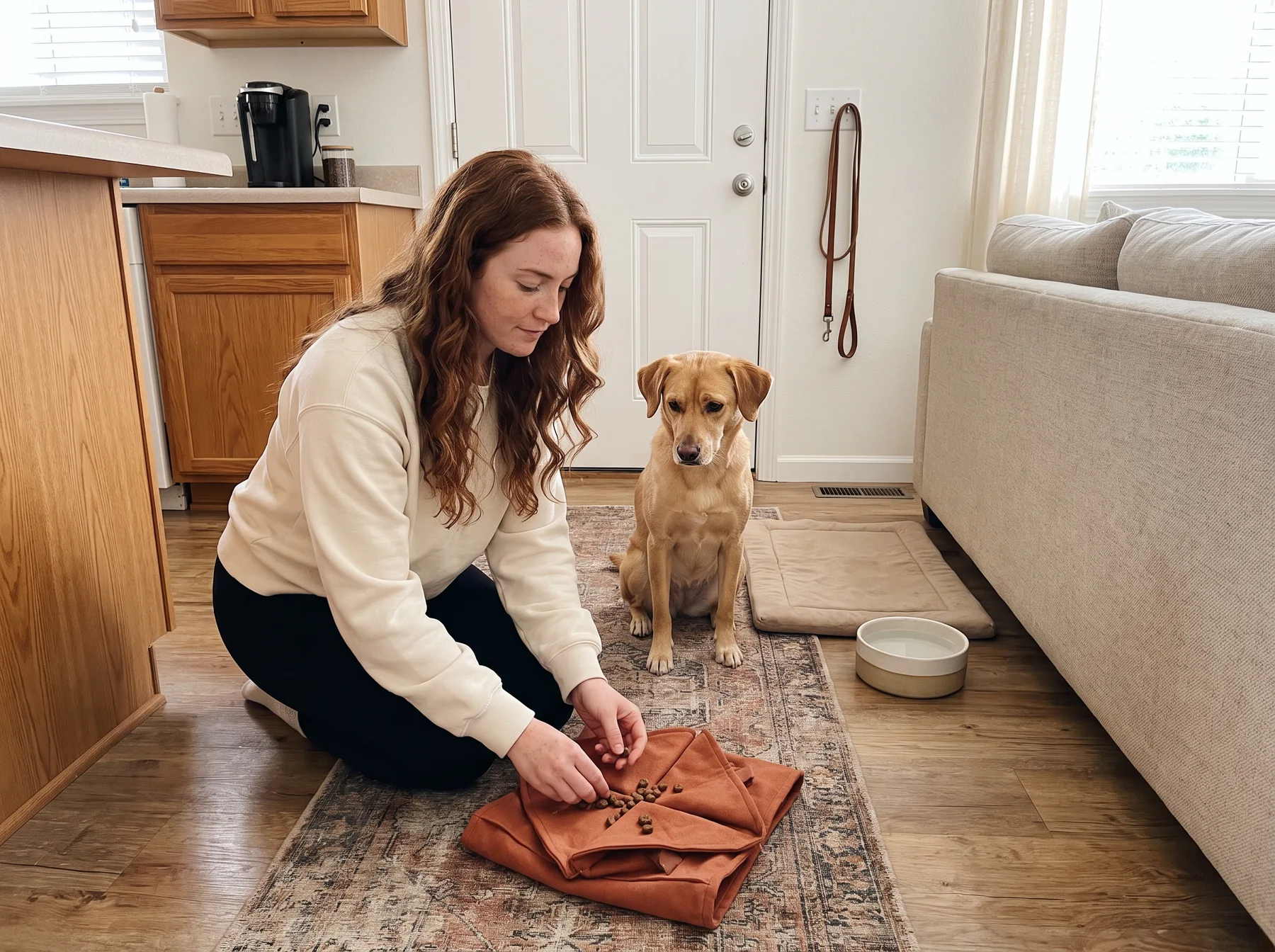
Keep rewards small so you can practice without adding excessive calories. For dogs who enjoy play, a brief tug or toy toss may work. Outdoors, permission to sniff can reinforce walking near you or checking in.
If your dog refuses treats outside but eats indoors, the environment may be too distracting or stressful. Move farther from triggers, choose a quieter time, or practice near the open door instead. The guide to checking stress and distraction when a dog will not take treats outside offers a structured way to adjust.
Step 3: Build a clear marker
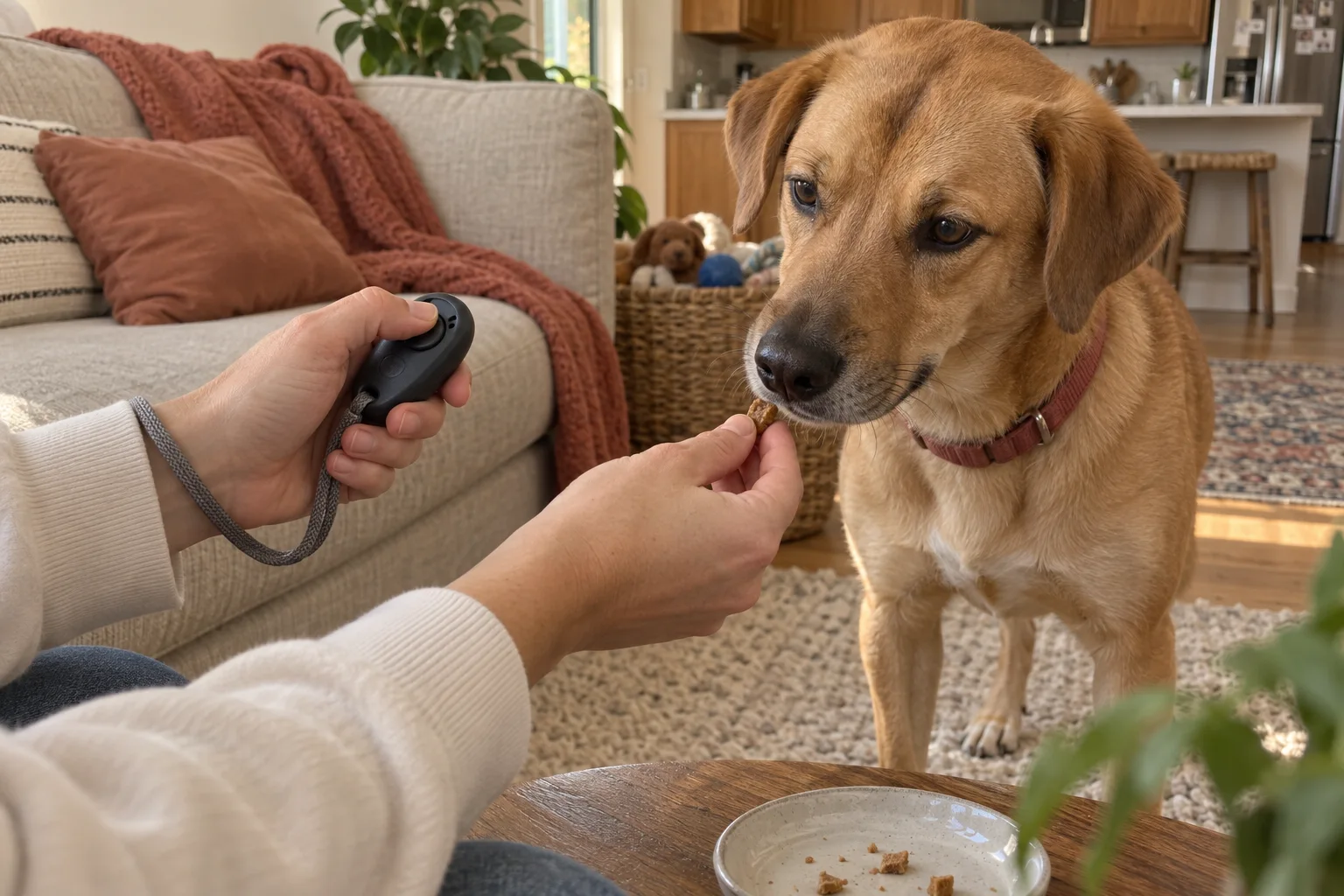
A marker tells the dog exactly which behavior earned a reward. You can use a short word such as “yes” or a clicker.
To establish it:
- Sit with your dog in a quiet room.
- Say “yes” once, or click once.
- Immediately give a treat.
- Repeat five to ten times, then stop.
- In later sessions, mark an easy behavior such as looking toward you, then reward it.
The marker is information, not a command. Do not use it to call the dog or get their attention. If you prefer a mechanical marker, compare a handheld dog training clicker by sound, button style, and ease of handling. A verbal marker works just as well for many households and requires no equipment.
Step 4: Reward useful behavior that already happens
You do not need to prompt every success. Watch for behaviors that make daily life easier and reinforce them as they occur:
- Looking at you during a walk
- Lying down while you prepare food
- Moving away from the door
- Choosing a dog bed
- Keeping four paws on the floor during a greeting
- Relaxing when a person walks through the room
This approach helps the dog discover what works without repeated verbal cues. It is especially useful for dogs who become worried when directly asked to perform.
Step 5: Teach a few functional skills
Start with skills that solve immediate household problems.
Name response: Say the dog’s name once when they are nearby and not highly distracted. Mark and reward any turn toward you. The name should predict useful information, not scolding.
Hand target: Present an open palm a few inches from the dog’s nose. Mark and reward when the dog approaches or touches it. A hand target can later help with movement without pulling the collar.
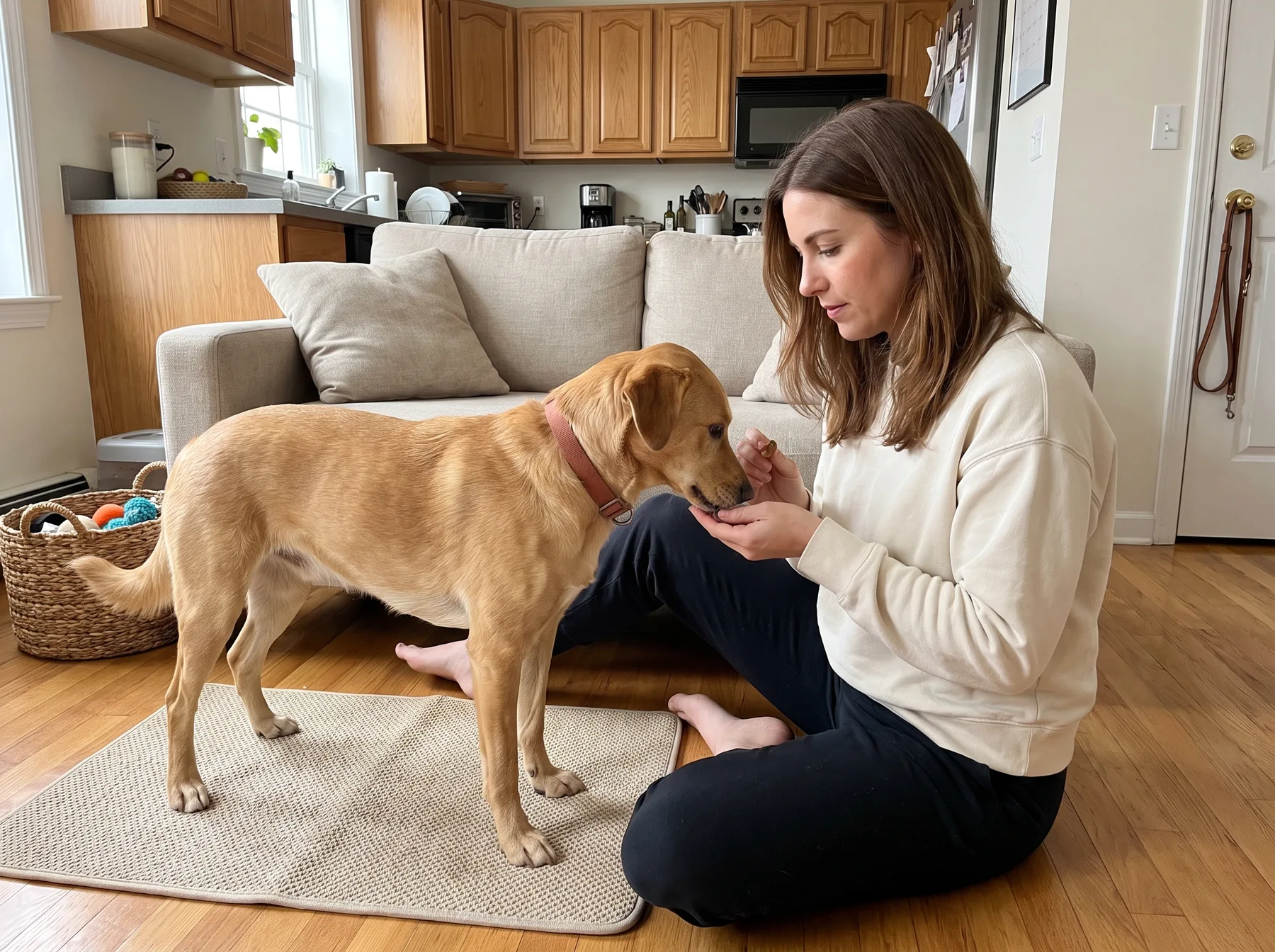
Go to a mat: Place a nonslip mat on the floor. Mark looking at it, stepping toward it, and eventually standing or lying on it. Release the dog before they become restless. This can support calm behavior during meals, visitors, or household chores.
Trade: Offer a treat near an ordinary, low-value object. When the dog releases the object, mark, feed, and return the item when safe. Do not begin with something the dog is intensely guarding.
Wait at doors: Use a leash or barrier for safety. Begin by rewarding the dog for remaining behind the threshold while the door moves slightly. Close it if the dog advances, without scolding, then make the next repetition easier.
Keep sessions around one to three minutes at first. Several brief practices spread across the day are often easier than one long session.
Step 6: Add distractions gradually
A skill learned in the kitchen is not automatically available on a busy sidewalk. Change one variable at a time:
- Practice in a quiet indoor room.
- Move to another room.
- Practice near the closed front door.
- Practice near the open door at a safe distance.
- Try a quiet outdoor location.
- Add mild distractions while maintaining distance.
Reduce difficulty if your dog stops taking food, scans constantly, vocalizes, lunges, freezes, hides, or repeatedly tries to leave. Distance is often more helpful than asking for another cue.
Step 7: Introduce handling with consent
Necessary care can be taught in small pieces. For example, before wiping paws, show the towel, reward investigation, briefly touch a shoulder, and stop. Progress toward the leg and paw only while the dog remains comfortable.
Pause every few seconds during petting. If your dog moves closer or nudges your hand, continue. If they turn away, leave, stiffen, tuck their tail, lick their lips repeatedly, or show the whites of their eyes, stop and give space.
Some medical procedures cannot be optional. In those cases, ask your veterinarian about the safest, least stressful plan rather than repeatedly restraining a frightened dog. For everyday muddy feet, use a no-force paw-wiping routine.
What realistic progress looks like
Learning is rarely linear. Your dog may respond reliably at home and struggle after a visitor arrives. Adolescents may have difficulty with impulse control. Senior dogs and dogs with mobility limitations may need shorter sessions, nonslip surfaces, and alternatives to positions such as “sit.”
Track a few practical measures instead of expecting perfection:
- How quickly does the dog settle after an event?
- At what distance can they notice a trigger and still eat?
- How often do they voluntarily check in?
- Can they rest during ordinary household activity?
- Are potty, sleep, and feeding routines becoming more predictable?
A written log can reveal small improvements that are hard to notice day by day. It can also show patterns tied to location, time, visitors, pain, or lack of sleep.
Common mistakes and how to adjust
Repeating cues
Saying “sit” five times teaches the dog that the first four repetitions do not matter. Say the cue once. If the dog cannot respond, reduce distractions or help with an easier setup. Avoid physically pushing the dog into position.
Moving too close to a trigger
A dog does not need to confront a feared person, dog, vehicle, or object to learn. Forced exposure can increase distress. Begin at a distance where the dog can notice the trigger and still eat, move normally, and disengage.
Punishing growling
A growl communicates discomfort. Punishment may suppress that warning without changing the underlying emotion. Calmly create distance and identify what happened immediately before the growl. Repeated growling, guarding, snapping, or biting warrants professional assessment.
Using exercise as the only solution
Physical activity matters, but more intense exercise does not automatically produce calm behavior. Some dogs become more aroused or sore. Balance appropriate walks with sniffing, rest, chewing, food enrichment, and short training sessions. Ask your veterinarian about safe activity for puppies, seniors, and dogs with medical or mobility concerns.
Advancing too quickly after a good day
One successful greeting does not mean your dog is ready for a party. Repeat manageable setups before adding duration, proximity, or more people. Preserve recovery time after demanding events.
When to get professional help
Contact your veterinarian when behavior changes suddenly, touch appears painful, house-training problems begin unexpectedly, sleep or appetite changes, or your dog shows possible illness. A medical assessment is also useful before addressing new aggression or severe anxiety.
Seek a qualified reward-based trainer for help with everyday skills, leash walking, household routines, and controlled introductions. Ask how the trainer handles fear, growling, mistakes, and food rewards. Avoid anyone who recommends provoking behavior, using pain or intimidation, or establishing “dominance.”
For bites, bite attempts, severe guarding, panic when left alone, intense fear, repeated lunging, predatory behavior toward household animals, or behavior that puts someone at risk, consult a veterinarian and a qualified behavior professional. Depending on the case, that may include a board-certified veterinary behaviorist or an experienced credentialed behavior consultant working with your veterinarian.
Do not wait for a crisis if daily management is becoming unsafe. Secure separation, written routines, and professional guidance can protect everyone while a longer plan is developed.
Your everyday training checklist
- Schedule veterinary care and review available medical records.
- Secure doors, gates, fences, harnesses, and leashes.
- Establish predictable meals, potty trips, rest, and walks.
- Identify rewards your dog can comfortably accept.
- Choose one clear marker word or clicker.
- Reinforce calm, useful behavior throughout the day.
- Practice a few functional skills in short sessions.
- Increase distractions gradually and use distance when needed.
- Respect avoidance and other signs of discomfort.
- Record patterns, progress, and situations that need support.
- Contact a qualified professional when fear, aggression, separation distress, or safety concerns exceed what you can manage.

Join the conversation
0 comments
Leave a comment
Your email address will not be published. Comments are reviewed before appearing.